
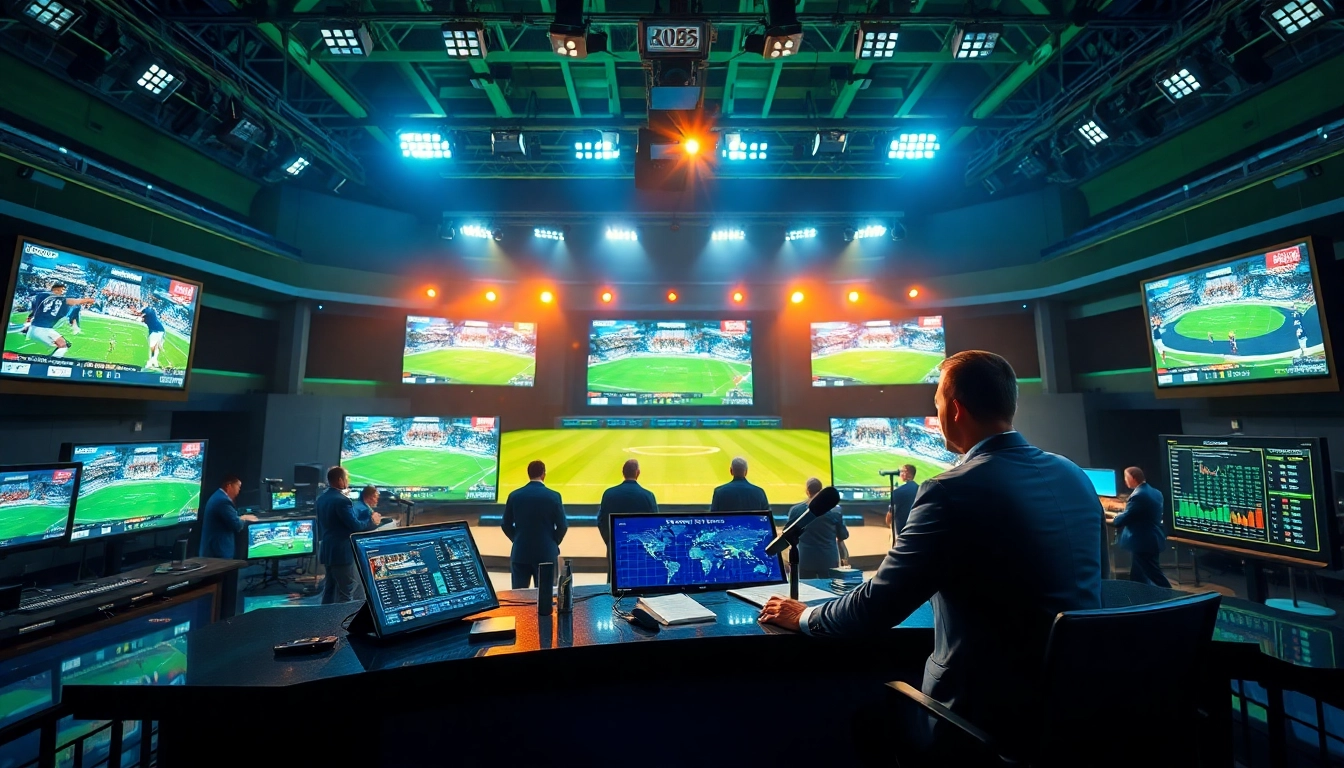
Understanding the Fundamentals of Sports Broadcasting
What is Sports Broadcasting?
Sports broadcasting refers to the dissemination of live or recorded sports events through various forms of media, including television, radio, and digital platforms. This industry plays a crucial role in connecting fans with their favorite sports, athletes, and teams. As an evolving field, it combines sports knowledge with technical skills, resulting in a multi-layered experience for viewers. The aim is to engage audiences while ensuring the event’s essence and excitement are captured accurately. For those looking to deepen their understanding, resources on Sports Broadcasting provide further insights.
The Key Elements of a Sports Broadcast
The essence of an effective sports broadcast lies in several key elements:
- Commentary: The voice that guides the audience through the event, providing context, analysis, and color to the gameplay.
- Camerawork: The angles and movements of the camera that help viewers feel immersed in the action, often utilizing multiple cameras for comprehensive coverage.
- Graphics and Statistics: Visual elements that display scores, player stats, and replays, enhancing viewer understanding.
- Production Quality: A crucial factor that encompasses sound quality, lighting, and video clarity, all contributing to an engaging viewing experience.
Types of Sports Broadcasting Media
Sports broadcasting spans various platforms, each offering unique advantages:
- Television: The traditional medium, providing high-quality visuals and a broad reach.
- Radio: Focused on audio commentary, offering an alternative for fans without visual access.
- Online Streaming: Enabling global access to live games, this format caters to younger audiences who prefer mobile and on-demand content.
- Social Media: Platforms like Twitter and Instagram facilitate real-time updates and interactions, engaging fans actively during events.
Challenges in Sports Broadcasting
Technical Difficulties and Solutions
Technical challenges can arise during sports broadcasting, including signal loss, equipment failure, and software glitches. Such issues can disrupt the viewing experience. Solutions involve investing in reliable equipment, conducting regular maintenance checks, and utilizing backup equipment. Additionally, training staff to handle unexpected technical problems can minimize disruptions. Emphasizing the importance of planning and testing before live events is essential to ensure a seamless broadcast.
Managing Live Event Dynamics
Live sports events are unpredictable, and broadcasters must react quickly to developments. From unexpected injuries to weather changes, managing these dynamics requires flexibility and thorough pre-event preparation. Developing effective communication channels among the production team and commentators is vital. Additionally, having contingency plans in place can help navigate unforeseen circumstances, ensuring that the broadcast remains uninterrupted and engaging for viewers.
Audience Engagement Challenges
Maintaining viewer interest throughout the event presents a significant challenge. Modern audiences have high expectations for interactive and immersive experiences. To combat this, broadcasters should strive for compelling commentary that resonates with diverse audience demographics. Incorporating viewer polls, integrating social media interactions, and offering behind-the-scenes content can enhance engagement. Tailoring content to fit both casual viewers and die-hard fans is crucial in this competitive landscape.
Best Practices for Effective Sports Broadcasting
Developing Strong Communication Skills
Effective communication is essential for sports broadcasters. Commentators must articulate their thoughts clearly and engage the audience without overwhelming them with jargon. Training in voice modulation, pacing, and audience interaction can significantly enhance a broadcaster’s delivery. Building a rapport with co-commentators is equally important, fostering a natural conversation that appeals to viewers.
Utilizing Technology for Enhanced Broadcasting
Advancements in technology are transforming sports broadcasting. Tools such as high-definition cameras, drones, and augmented reality (AR) enhance storytelling and viewer engagement. Embracing innovations ensures that broadcasts remain dynamic and engaging. Regularly updating technical skills and keeping abreast of new technologies will help broadcasters stay competitive and improve their production value.
Building Strong Relationships with Sports Organizations
Establishing solid connections with sports teams, leagues, and organizations allows broadcasters to gain insider insights and exclusive content. This collaboration can lead to enhanced storytelling opportunities and access to player interviews, press conferences, and behind-the-scenes coverage. Cultivating these relationships fosters trust and can significantly enhance a broadcast’s quality and credibility.
Going Beyond the Basics: Advanced Sports Broadcasting Techniques
Incorporating Data Analytics
Data analytics plays an increasingly vital role in sports broadcasting. Analyzing statistics and trends provides insights that can inform commentary and enrich viewer experience. Broadcasters can utilize data visualizations to display player performance, team statistics, and game dynamics, offering audiences a deeper understanding of the sport. Training teams to interpret and communicate this data effectively is essential in leveraging analytics for impactful broadcasts.
Strategies for Interactive Viewing Experiences
In an age where viewer participation is paramount, developing interactive experiences can set a broadcast apart. This can include live polls, Q&A sessions, or gamification elements integrated into the viewing experience. Encouraging viewers to engage with the content creates a sense of community and investment in the event. Platforms like mobile apps can heighten this interaction, allowing for real-time feedback and participation.
Exploring Augmented and Virtual Reality in Broadcasting
Augmented and virtual reality technologies are revolutionizing the way sports are broadcasted. By providing immersive experiences, these technologies allow fans to feel part of the action, possibly from home. Broadcasters can offer VR experiences for select events, elevating viewer engagement. Training teams in AR and VR content creation will be essential for broadcasters aiming to be at the forefront of innovation in sports media.
Measuring Success in Sports Broadcasting
Key Performance Indicators for Broadcasts
To evaluate the effectiveness of a sports broadcast, it’s essential to establish key performance indicators (KPIs). These may include viewer ratings, audience retention rates, and engagement metrics across multiple platforms. Tracking these indicators helps broadcasters identify areas for improvement and adjust strategies accordingly. This analytical approach ensures continual growth and success in the competitive sports broadcasting landscape.
Analyzing Viewer Engagement Metrics
Engagement metrics provide insight into how viewers interact with broadcasts. Metrics such as social media interactions, live chat participation, and post-event surveys can gauge audience interest and satisfaction. Conducting regular analysis of these metrics enables broadcasters to refine their content and delivery methods, ensuring that they resonate with viewers and meet their expectations.
Adapting to Feedback and Trends
Staying attuned to audience feedback and emerging trends is crucial for the sustainability of sports broadcasts. Regularly collecting viewer feedback through surveys or social media campaigns allows broadcasters to understand their audience better. Additionally, following trends in media consumption, such as the growing preference for digital platforms, can aid in adapting strategies to maintain relevance and attract more viewers.
Frequently Asked Questions
1. What skills are essential for a sports broadcaster?
Key skills include strong communication, knowledge of the sport, adaptability, and the ability to engage an audience effectively.
2. How important is technology in sports broadcasting?
Technology is critical, enhancing production quality and viewer engagement through high-definition visuals and interactive elements.
3. What role does data analytics play in sports broadcasting?
Data analytics aids in providing insights on player performance and game strategies, enriching the commentary experience for viewers.
4. How can broadcasters enhance viewer engagement?
Broadcasters can use interactive polls, social media integration, and immersive experiences like AR and VR to boost engagement.
5. What are the key performance indicators for a successful sports broadcast?
Key KPIs include viewer ratings, audience retention, engagement metrics, and feedback from viewers regarding their experience.